Trenchless Sewer Repair in Center City
Center City is Philadelphia's oldest plumbing. Brownstones and brick rows around Rittenhouse and Society Hill, converted carriage houses, and commercial corridors layered over infrastructure that predates the automobile — the laterals under these streets have seen everything. When something fails down there, the constraints are uniquely Center City: landmark streetscapes, zero staging room, and neighbors close enough to hear the equipment.
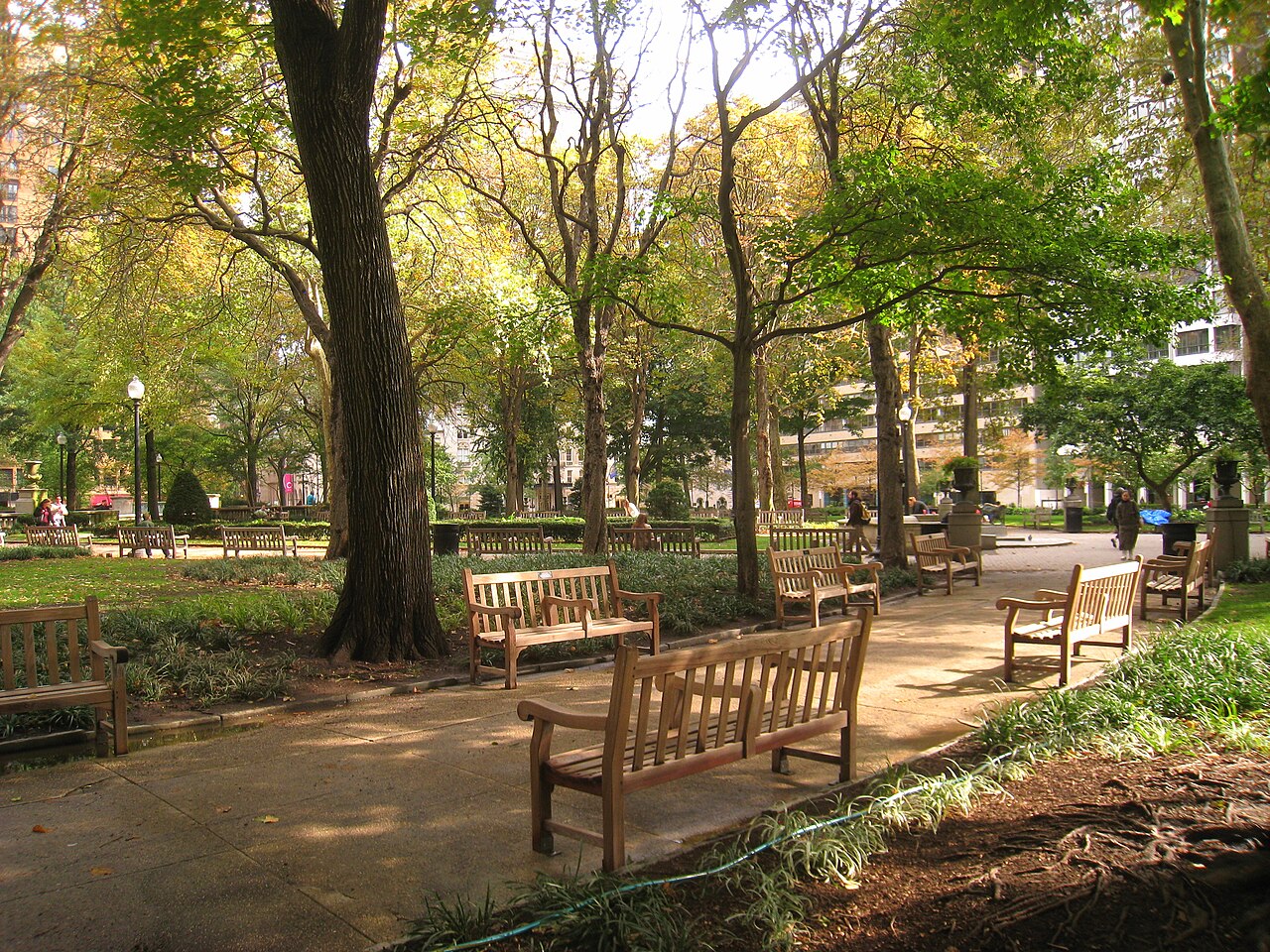
Center City laterals: brownstones, conversions, and zero staging room
The housing stock in Center City doesn't just predate modern plumbing — in places it predates the modern street. Brownstones around Rittenhouse Square, restored brick rows in Society Hill, former commercial buildings converted to residences: the laterals under these properties were laid when the city's sewer system was young, and many have been modified, re-routed, or built over more than once since.
That history makes the camera inspection non-negotiable here. A converted building's lateral may not run where the original plans say it runs; a shared party line may serve more than one property; a line that's been repaired piecemeal over decades can change material twice between the house and the curb. The footage maps what's actually down there — including the curb trap, which on these old runs is almost always original.
Then there's the surface. Excavation in Center City is a permitting and logistics project before it's a plumbing project: landmark streetscapes, brick sidewalks with restoration requirements, commercial corridors where a trench blocks foot traffic, and streets where staging equipment means negotiating loading zones. Trenchless methods — lining through the cleanout, bursting through two small pits — were designed for exactly this kind of constraint. The less surface you disturb, the fewer agencies you negotiate with.
For commercial properties and multi-unit conversions, the stakes are higher and the math is the same: the camera maps the line, the method fits the footage, and the quote is in writing before anything starts. Downtime is the expensive part of a Center City sewer job — a one-to-two-day trenchless repair beats a week of excavation and restoration every time.
Historic streets, modern methods
Society Hill's restored brick sidewalks and Rittenhouse's landmark blocks carry restoration requirements that make open trenches punishingly expensive — you're not just replacing pipe, you're rebuilding historic streetscape to spec. Every foot of trench you avoid is restoration cost you never incur. That's the quiet economic engine of trenchless work in Center City: the pipe repair is comparable, but the avoided restoration is enormous.
Where the run passes under the street — and in Center City it almost always does — the curb trap gets its own plan. If the trap and surrounding pipe qualify for trenchless, the street never opens. If the trap sits under pavement and trenchless can't reach it, we permit the street opening, price it in writing, and restore to spec. Either way, you know the plan before approving it.
What a Center City camera visit looks like
Access is the first question. Many Center City properties have cleanouts from past work; where they don't, we establish access — pulling a toilet or installing a cleanout so the line is serviceable going forward. The camera runs the full lateral to the city main, defects are located from the surface with paint and flags, and you get the recording.
From there it's the standard honest sequence: the footage decides between lining, bursting, or excavation; the quote is written and line-itemed; permits are handled on our side. No phone quotes, no mid-job surprises — the deposit never exceeds the legal one-third cap on Pennsylvania home-improvement contracts over $5,000.
Your lateral, in cross-section
House → lateral → curb trap → city main. In Philadelphia you own all of it except the main — and the camera is how we map yours before quoting anything.
Center City — straight answers
It changes the surface work, not the pipe work. Landmark streetscapes carry restoration requirements that make open trenches very expensive — which is exactly why trenchless methods fit historic districts so well. Permits and restoration specs are handled on our side and itemized in the written quote.
Yes — and it's especially worthwhile. Conversions sometimes share lines, re-route laterals, or leave abandoned sections in the ground. The camera maps what's actually live and connected before anyone quotes a repair.
Usually yes. Lining installs through the cleanout with minimal equipment footprint; bursting needs two small pits and a compact pull rig. Tight Center City staging is routine for us — the camera visit includes the logistics plan, not just the pipe plan.
Per-foot pricing by method, like everywhere — see our 2026 cost guide. Center City's cost drivers lean toward permitting complexity, restoration specs on historic surfaces, and staging logistics. The written quote after the camera inspection is what counts.
Start with our defect notice guide — the playbook is the same: read the notice, get your own camera inspection, get written quotes based on the footage. For official guidance, contact PWD directly.
What we do here
Pipe BurstingPipe Lining (CIPP)Sewer Camera InspectionSewer Lateral ReplacementHydro JettingTree Root RemovalCleanout InstallationTraditional Excavation
Other neighborhoodsOld building, old pipe? Get the footage first.
Center City laterals have history. The camera reads it in one visit — then the plan writes itself.
[[ADDRESS]] · Philadelphia, PA · Open 24 hours · PA HIC #[[HIC_NUMBER]]