Trenchless Sewer Repair in Fishtown
Fishtown is two sewer systems in one neighborhood. The classic workers' rowhomes — brick rows from the late 1800s and early 1900s with original clay laterals — now stand beside gut rehabs and new construction with brand-new PVC. On any given block, the lateral under one house is a century old and the lateral under the next was installed last year. The camera is how you tell which one you're dealing with.
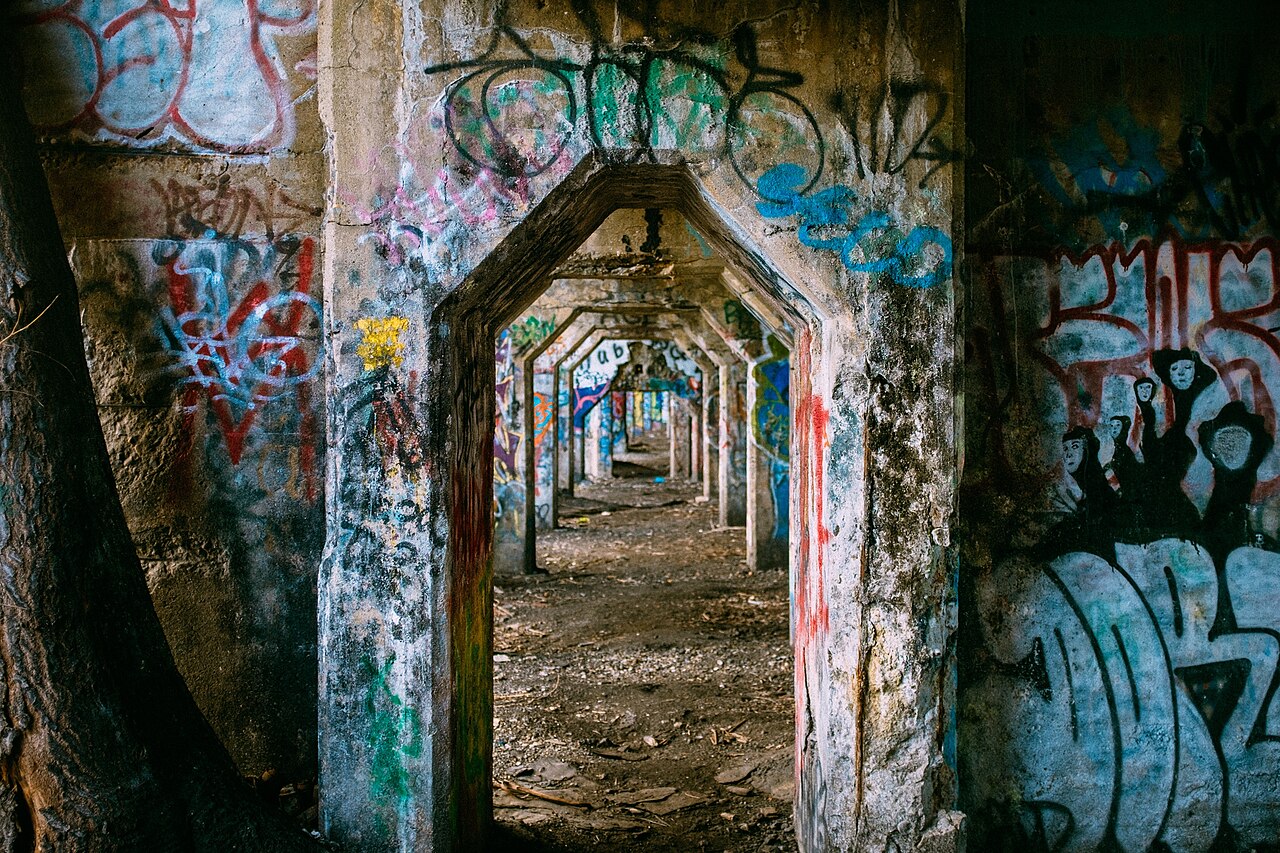
Fishtown laterals: a century old or brand new — sometimes on the same block
Fishtown's redevelopment wave rebuilt a lot of houses but didn't always rebuild what was under them. A gut rehab with a new kitchen and new bathrooms can still be draining through the original 1910 clay lateral — the part of the house nobody photographed for the listing. And a fully renovated block can hide a patchwork: new PVC from the house to the property line, original clay (and original curb trap) from there to the main.
This is why the pre-purchase camera inspection matters more in Fishtown than almost anywhere in the city. A general home inspection doesn't scope the lateral, and in a neighborhood where half the housing stock has been flipped, the sewer line is the highest-variance system in the house. A failed lateral is a five-figure surprise hiding under a renovated kitchen — the camera finds it before closing, when it's the seller's problem, not yours.
For longtime owners in unrenovated rows, the story is the classic Philly one: clay joints, street-tree roots, and the slow creep from “drains fine” to “needs snaking every few months” to a basement backup. Fishtown's mature street trees are as established as its rowhomes, and fall root season hits these old clay joints hard. If your line is root-bitten but still holds its shape, CIPP lining seals every joint at once; if the clay is broken or collapsed, pipe bursting replaces it with jointless HDPE.
And for the renovated houses: if your rehab left the original lateral in place, you're on borrowed time measured in root seasons, not decades. A camera visit now — while everything works — tells you whether the line matches the renovation or predates it. The cheapest sewer job is the one you plan; the most expensive is the one that backs up into a finished basement on a holiday weekend.
Renovation-era surprises we find on camera
Fishtown camera visits turn up a specific set of renovation-era issues. Abandoned connections — old lines capped (or not quite capped) when bathrooms moved during a rehab. Re-routed laterals that take a longer path than the original. Cleanouts buried under new concrete. And the occasional rehab where the new PVC ties into the old clay with a fitting that's already the weakest point in the run.
None of this is visible from inside the house, and none of it shows up on a standard inspection. The camera maps the live line, marks it on the surface, and gives you a recording — which is also the document you hand to any contractor for an apples-to-apples quote. Any sewer quote in Fishtown that isn't based on footage is a guess about a line that might be 115 years old or 15 months old.
Roots, rehabs, and the fall season
Whatever the age of the house, Fishtown's street trees don't care — mature canopy over old clay is the combination that generates the city's most common sewer call: “we think we might be having roots in our sewer line.” Fall is peak season, when trees push a final surge of root growth. A fall camera-and-jetting visit clears the year's growth and shows whether the pipe behind the roots is sound or needs lining or bursting before winter.
If you're holding a PWD Notice of Defect — common when the city flags a leaking lateral or failed curb trap — the order is: read the notice, get your own camera inspection, get written quotes based on the footage. Public help exists if the bill is the problem: PWD's Homeowner's Emergency Loan Program (0% interest, 5-year repayment, (215) 685-4901) and the PHDC Basic Systems Repair Program ((215) 448-2160). For official guidance, contact PWD directly.
Your lateral, in cross-section
House → lateral → curb trap → city main. In Philadelphia you own all of it except the main — and the camera is how we map yours before quoting anything.
Fishtown — straight answers
Yes — especially then. Renovations rebuild what's visible; the lateral is frequently original. A camera inspection is the cheapest insurance in the transaction, and after closing it's the document every future quote should be based on.
Very possibly. Many rehabs leave the original lateral in place — new PVC inside the house tied into century-old clay outside it. The camera shows exactly where the new pipe ends and the old pipe begins.
Per-foot pricing by method — see our 2026 cost guide for ranges and cost drivers. Fishtown's variables are usually lateral age (original clay vs. rehab-era PVC), access on tight blocks, and curb-trap condition under the street. Written quote after the camera, never over the phone.
Usually yes — and they're the better fit for it. Lining installs through the cleanout and bursting needs only two small pits, so neither competes with the renovation staging the way an open trench would.
What we do here
Pipe BurstingPipe Lining (CIPP)Sewer Camera InspectionSewer Lateral ReplacementHydro JettingTree Root RemovalCleanout InstallationTraditional Excavation
Other neighborhoodsNew kitchen, old sewer? Check the line.
In Fishtown, the camera tells you whether your lateral matches your renovation — or predates it by a century.
[[ADDRESS]] · Philadelphia, PA · Open 24 hours · PA HIC #[[HIC_NUMBER]]