Trenchless Sewer Repair in Northern Liberties
Northern Liberties has the most mixed plumbing in the city. Former industrial blocks where 19th-century workers' rows stand beside converted warehouses and new infill — and the laterals underneath span every era of pipe Philadelphia ever laid. On a single block you can find original clay, mid-century cast iron, and brand-new PVC. The camera doesn't just diagnose here; it inventories.
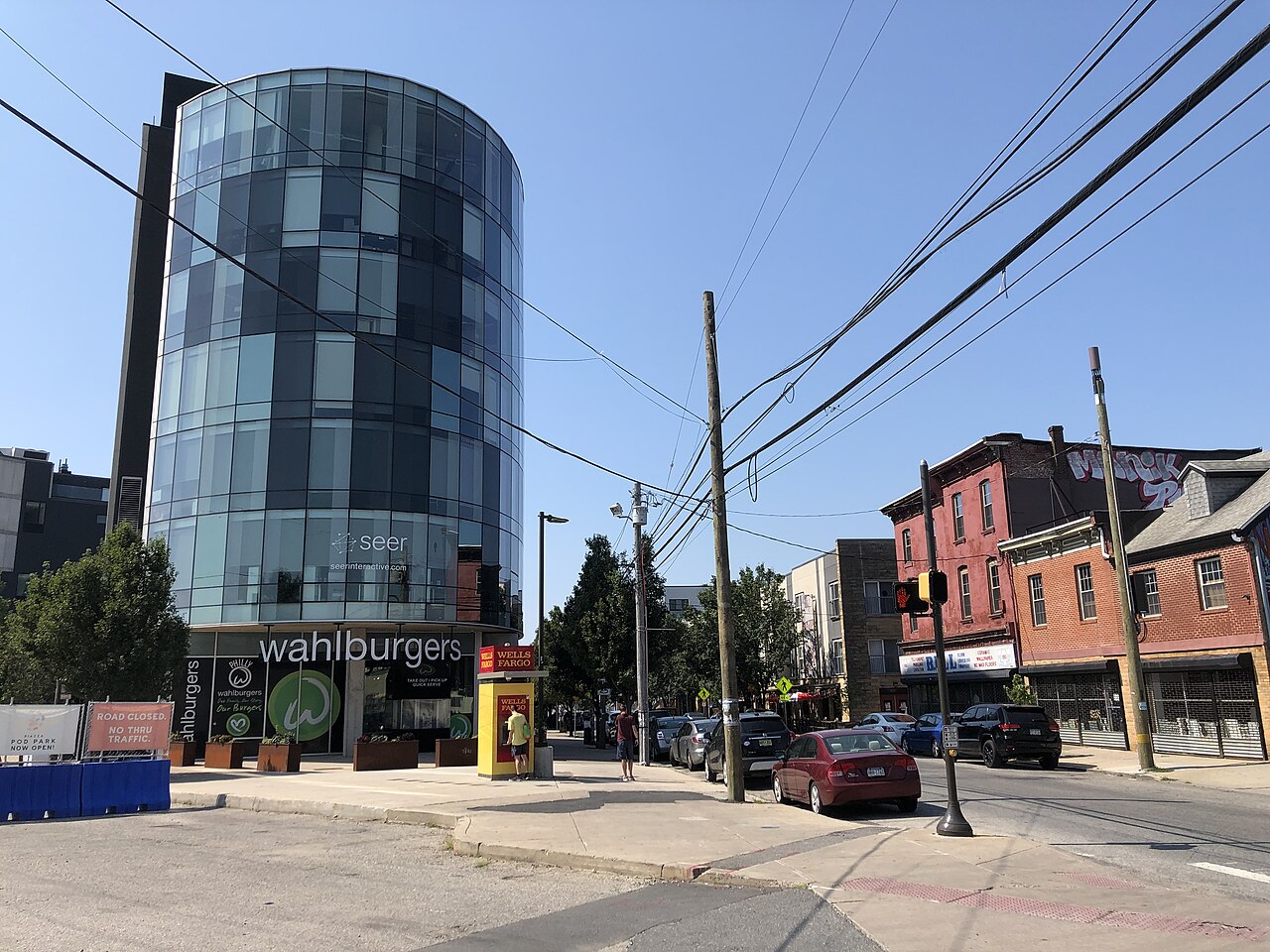
NoLibs laterals: every pipe era on one block
Northern Liberties was industrial before it was residential, and the ground remembers. The workers' rows along the old industrial corridors run original clay laterals — some of the oldest in the city. The converted warehouses and factories often have re-routed or upsized lines from their commercial days, sometimes with abandoned sections still in the ground. And the infill construction of the last two decades brought new PVC tied into infrastructure of every vintage.
What that means in practice: two houses on the same block can need completely different sewer plans. The 1890s row with root-bitten clay joints is a lining or bursting candidate; the converted warehouse with a collapsed commercial line might need open excavation; the 2015 infill probably needs nothing at all. Symptoms don't distinguish these — the camera does. A NoLibs camera visit is as much a survey as a diagnosis: what pipe, what era, what condition, what path.
Conversions deserve special attention. When an industrial building becomes residential, the sewer work sometimes gets the least documentation of any system in the project. We've camera'd lines in converted buildings that change material twice, pass through abandoned interceptors, or tie into the main at unexpected points. If you own or are buying a conversion in Northern Liberties, the lateral deserves the same scrutiny as the roof — it's older, it's buried, and replacing it is the bigger job.
For the classic rows, the story is familiar Philly: clay joints, street-tree roots, and the fall surge when trees push their last root growth of the year. Cutting clears the mass; the camera shows the pipe behind it; lining seals the joints or bursting replaces the run. The curb trap — original on most of the old rows — gets its own assessment, since it's the fitting PWD notices name most often.
Construction zones and access
NoLibs is still building, which cuts both ways for sewer work. On the plus side, former industrial streets often have wider cartways than South Philly's tight blocks, so equipment staging is less of a fight. On the minus side, active construction competes for curb space, and a trench across a street that's already torn up for development is nobody's idea of a good week.
Trenchless methods are the low-footprint answer in a construction zone: lining installs through the cleanout, bursting needs two small pits. When we do need to open ground — a cleanout install, a targeted dig — the work is planned around the block's reality, permitted properly, and restored when done. Philadelphia street-opening permits are handled on our side and itemized in the written quote.
The defect notice and the money question
If PWD has issued a Notice of Defect on your lateral or curb trap, the playbook is the same here as everywhere: read the notice, get your own camera inspection, get written quotes based on the footage — then fix it once and close the notice out. Don't sign the first quote while the notice clock is running; panic is the most expensive contractor.
And Pennsylvania's deposit rule protects you on every job over $5,000: no contractor can legally ask for more than one-third down. Our quotes are written and line-itemed before you approve anything, and if cash flow is the issue, ask about payment options — plus the two public programs worth knowing: PWD's Homeowner's Emergency Loan Program (0% interest, 5-year repayment, (215) 685-4901) and the PHDC Basic Systems Repair Program ((215) 448-2160). For official guidance, contact PWD directly.
Your lateral, in cross-section
House → lateral → curb trap → city main. In Philadelphia you own all of it except the main — and the camera is how we map yours before quoting anything.
Northern Liberties — straight answers
Often, yes — conversions can have re-routed, upsized, or partially abandoned lines from the building's commercial days, with the least documentation of any system. A camera inspection maps what's actually live and connected before anyone quotes work.
Per-foot pricing by method — see our 2026 cost guide. NoLibs variables include pipe era (clay vs. cast iron vs. PVC), conversion-era surprises, and access on blocks with active construction. Written quote after the camera, never over the phone.
Yes — and trenchless is the right tool for it. Lining and bursting have small footprints that don't compete with development staging the way an open trench would. We plan around the block's reality and permit everything properly.
Most of the 19th-century rows do — original traps under the sidewalk or street, homeowner-owned per PWD. Our curb trap guide covers how they're assessed and repaired, trenchless or with a permitted street opening.
Absolutely. Conversions are where we find the most undocumented sewer work — re-routes, abandoned sections, mixed materials. A pre-purchase camera inspection is the cheapest insurance in the transaction.
What we do here
Pipe BurstingPipe Lining (CIPP)Sewer Camera InspectionSewer Lateral ReplacementHydro JettingTree Root RemovalCleanout InstallationTraditional Excavation
Other neighborhoodsMixed-era block? Inventory the pipe first.
In Northern Liberties, the camera doesn't just diagnose — it tells you which century your lateral comes from.
[[ADDRESS]] · Philadelphia, PA · Open 24 hours · PA HIC #[[HIC_NUMBER]]